
Let’s be honest. Most of us are not craving more furniture.
We are craving better energy.
Less visual noise.
Fewer things fighting for attention.
More spaces that feel like they exhale with you at the end of the day.
And there is a reason we keep drifting toward windows, plants, and that one chair that feels right no matter where it ends up. Long before trends, catalogs, and perfectly styled homes, we learned how to feel safe and grounded. Our bodies still remember. Biophilic design simply listens to that instinct instead of trying to override it.

Welcome to biophilic design. The interior design style that is less about trends and more about something we are all quietly obsessed with lately: feeling good at home.
Furniture as habitat, not just objects
Biophilic design starts with a bold idea: humans are biological creatures first, modern consumers second. We evolved reading landscapes, tracking light, seeking shelter, and responding to natural patterns long before we cared about trends or color-of-the-year palettes.
Furniture, in this world, stops being a standalone object and starts acting like part of a habitat.
A chair is no longer just a chair. It is a place of refuge.
A table is not just a surface. It is a grounding anchor.
A room is not a box. It is a small ecosystem.
This is where the magic begins.
The direct hit: nature you can actually feel
Let’s talk about the obvious stuff first. Light. Air. Water. Living things.
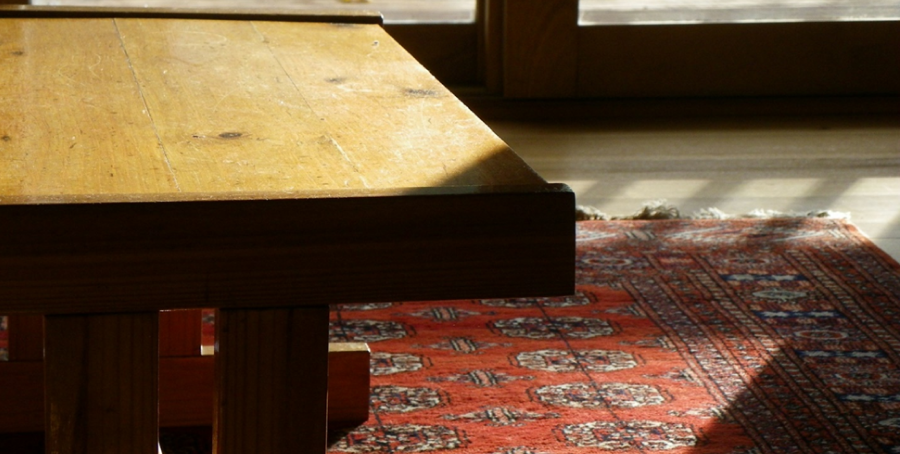
Biophilic furniture loves being close to these forces. Think seating that drifts toward windows, surfaces that catch daylight and shift as the sun moves, materials that respond to temperature and touch. Wood that warms. Stone that stays cool.
You do not need a jungle indoors. What matters is real contact. Natural light reaching the furniture you use the most. Fresh air moving through spaces where you linger. Maybe even the subtle presence of water nearby, not decorative drama, but a quiet sense of movement and life.
These are not luxuries. They are sensory cues your body recognizes instantly.
The indirect spell: when furniture whispers nature
Here is where things get playful.
Biophilic design is not only about bringing nature in. It is also about how nature shows up through patterns, textures, and forms.
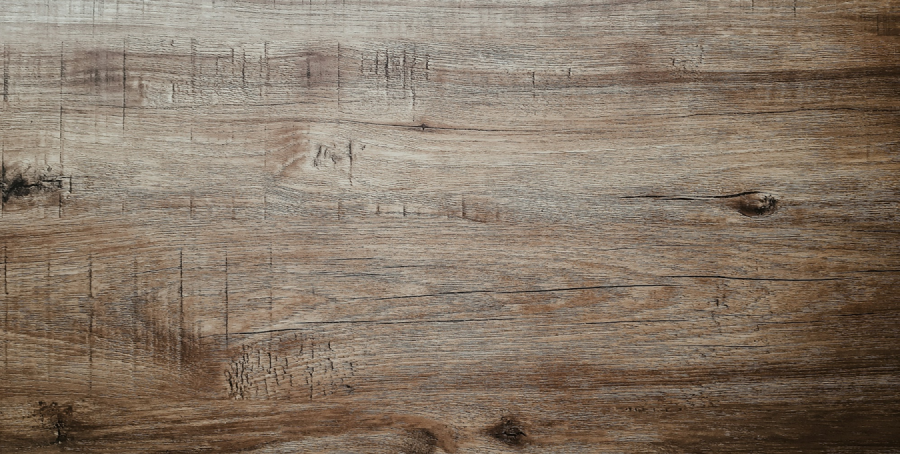
Furniture made from natural materials, even when shaped and refined, carries traces of the natural world. Grain in wood. Variation in stone. The gentle irregularity of woven fibers. These details create what can only be described as organized complexity. Enough richness to keep the eye curious, enough order to keep the mind calm.
Biophilic furniture keeps you engaged quietly. It does not shout. It murmurs.
Curves, corners, and evolutionary memory
Ever notice how you gravitate toward curved sofas or rounded tables without knowing why?
Your body remembers.
For most of human history, sharp edges and rigid symmetry were rare in safe environments. Biophilic furniture leans into shapes that feel approachable, protective, and human-scaled. Rounded backs, softened edges, pieces that feel like they welcome you instead of commanding you.
This does not mean everything must be organic or sculptural. Even subtle softness changes how a room feels. Less tension. Less visual aggression. More ease.
Space is part of the furniture conversation
Now let’s zoom out.
Biophilic design also looks at how furniture shapes the room as a whole.
Not just how it looks, but how it works in real life. What you can see from where you sit. Whether a spot feels exposed or comfortable. Whether the room allows both focus and relaxation.
Well-designed biophilic spaces balance openness with a sense of protection. Seating often has a clear view of the room or outside, while still feeling slightly tucked in. Larger pieces like sofas or shelving help define zones without blocking movement or light.
Furniture placement is practical and intentional. It supports how people move through the space, where they pause, and where they naturally gather. When this is done well, the room feels easier to use and more comfortable to spend time in.
Why fake nature breaks the spell
Here is a slightly irreverent truth: biophilic design has no patience for pretend.
Artificial materials that imitate nature without behaving like it tend to fall flat. A plastic plant that never changes. This might look the part but does not deliver the experience.
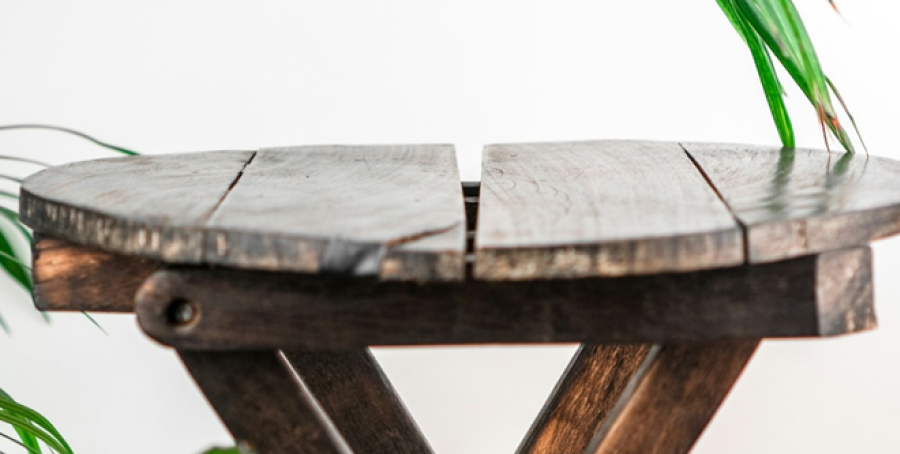
Biophilic furniture thrives on authenticity. Materials that age. Surfaces that respond. Elements that show time passing instead of hiding it. Change, wear, and patina are not flaws here. They are proof of life.
Nature does not freeze itself to look good. Neither should your furniture.
Organized complexity beats empty minimalism
Minimalism often promises calm and delivers emptiness.
Biophilic design looks for a middle ground. Spaces that have enough texture and variation to feel engaging, without tipping into clutter. You notice details when you are close, but the room still reads as calm overall.
Furniture plays a big role here. A table where the construction is visible. A chair with fabric you can feel, not just see. Shelving that adds depth instead of leaving walls flat and empty.
The goal is not less. The goal is enough.
The audacious invitation
Your home does not need to be perfect. It needs to be alive.
Biophilic furniture invites you to design with curiosity instead of control, to let nature’s logic sneak back into your daily life through light, material, space, and movement.
Experiment.
Rearrange.
Go wild. Nature’s waiting to move in.