
I have walked into hundreds of stores over the years with owners who were convinced their problem was pricing, location, or marketing. More often than not, the real issue was quieter and sitting right in front of us.
“The space itself was working against them.”
Shoppers decide how they feel about a place within moments. Long before they compare prices or speak to staff, their body reads the room. Does it invite me to linger or push me to leave. That first emotional signal sets the tone for everything that follows.
Store design is not decoration. It is a behavioral tool. When done well, it creates connection, balance, and flow. When ignored, it introduces friction that no discount can fix.
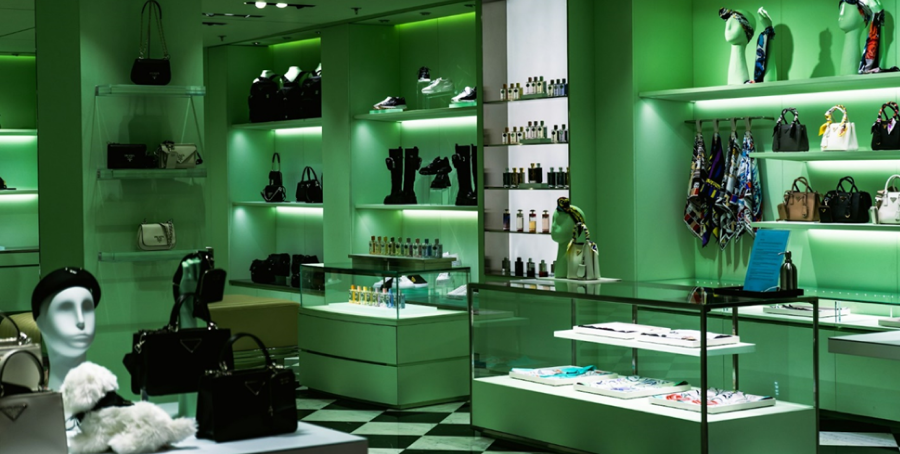
Atmosphere is the silent salesperson
One of the most consistent patterns I have seen is this: people buy more when they feel comfortable without being distracted. Comfort here does not mean luxury or excess. It means harmony between light, sound, layout, and materials.
A store with harsh lighting and tight aisles might look efficient on paper, but it creates subtle stress. Shoppers speed up, make fewer stops, and become less open to discovery. On the other hand, a space with measured lighting, visual breathing room, and a clear sense of direction encourages dwell time. The longer people stay, the more likely they are to engage, ask questions, and buy.
Atmosphere also affects employees. A space with good flow and visual clarity reduces fatigue and improves focus. Staff move with more confidence, interactions feel less rushed, and that calm transfers directly to customers.
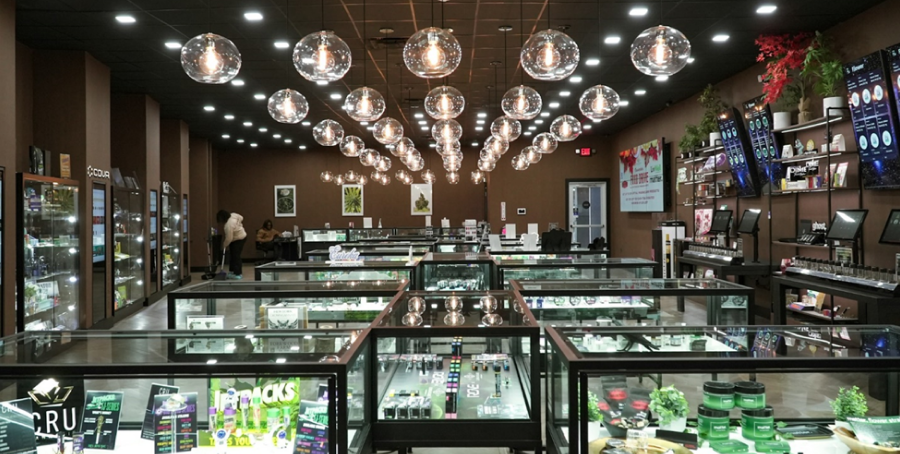
Visual balance builds trust
Balance is one of the most underestimated forces in commercial spaces. When a store feels visually balanced, customers trust it more, even if they cannot explain why.
This balance comes from proportion, rhythm, and restraint. Too many focal points compete for attention and create noise. Too few make the space feel flat or uninspired. The goal is a steady visual pulse that guides the eye without exhausting it.
Color plays a role here, but so do materials and textures. Natural or tactile materials often ground a space and add a sense of vitality. They make environments feel human rather than manufactured. This matters more than ever as shoppers become more sensitive to how spaces make them feel, not just what they sell.
Design as a long-term business ally
The most successful spaces do not chase trends. They were built around clarity, comfort, and intention.
When design supports behavior, it reduces friction across the entire operation. Customers move with ease. Employees work with focus. The space gains a quiet vitality that cannot be replicated through marketing alone.
Mazel helps you connect with designers who know how spaces influence decisions
If you feel your store or booth has more potential than it is currently showing, that instinct is worth listening to.