
Have you ever walked into a room and felt… something?
Not good, not bad. Just a vibe. Like the space is trying to tell you a story but you are too busy choosing a sofa to hear it.
Here is a little secret interior designers learn early on, and honestly, it changes everything:
Your home already has a personality.
Before you add a single cushion, before you obsess over paint samples taped to the wall, the space itself is doing a lot of talking. And if you listen first, decorating suddenly feels less stressful and way more magical. And once you see it, you cannot unsee it.
The walls are not just walls
Most of us look at a room and think in terms of problems.
This wall is awkward.
That corner is useless.
The ceiling is too low. Drama.
Designers look at the same room and think in terms of clues.
Where does the light fall in the morning?
Which wall feels heavier?
Why does everyone naturally walk through *that* side of the room?
Those answers matter more than any trend.
In many Iranian homes, especially older apartments or family houses, you can feel this layering so clearly. A thick wall that once held a gas heater. A raised threshold that separates public and private zones. A living room that somehow insists on hosting everyone, even when the furniture disagrees.
Instead of fighting these things, magic happens when you work with them.
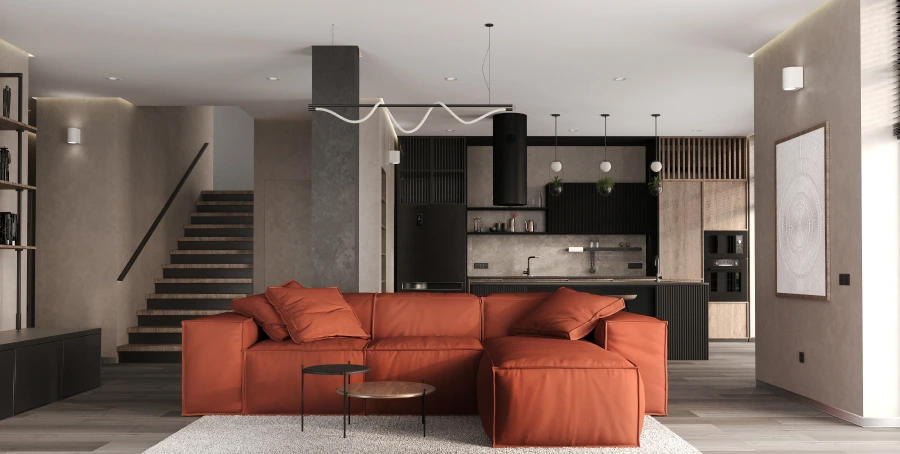
Before buying furniture, try this instead
Next time you are tempted to buy something big, pause.
Do a mini “design reading” of your space.
Sit on the floor. Yes, really.
Notice where your eye goes first.
Stand in the doorway and feel where your body wants to move.
Good spaces always have an invisible logic. How you move through them, where you pause, how one area quietly leads into another. You do not need technical drawings to feel it. Your body already understands it.
Practical tip you can use today:
If a path through a room feels forced, do not block it with furniture. Highlight it. A runner rug, a line of lighting, even a subtle change in texture can turn an awkward route into an intentional moment.
Suddenly, what felt wrong feels… designed.
Old things are not problems. They are character.
There is this pressure to erase the past in interiors. Smooth everything out. Hide everything. Make it look “new”.
But some of the most soulful spaces keep the scars.
An exposed column.
A slightly uneven wall.
That one old wooden door your father refuses to throw away.
Reusing what already exists is not just about sustainability. It is about continuity. When you keep parts of a space, you keep its memory. The design feels grounded, familiar, and emotionally anchored.
If you live in a home where tradition meets modern life, lean into that. Pair a very clean, modern sofa with an old patterned rug. Let a contemporary pendant light hang over a dining table that has seen three generations.
That contrast is not messy. It is rich.
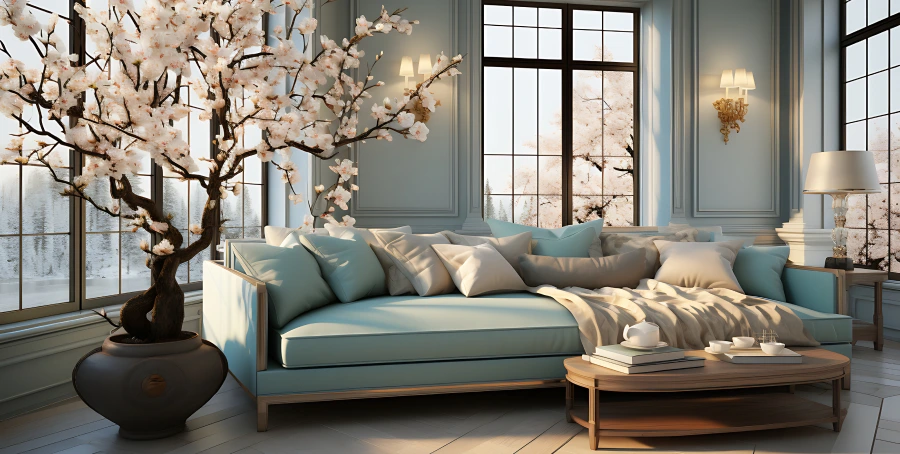
Design is not decoration. It is decision-making
One of the most overlooked design truths is hierarchy. Not everything in a room should scream.
You choose what leads.
You choose what supports.
Everything else steps back.
In real life, that might mean deciding that light is the hero, not furniture. Or that openness matters more than storage. Or that family gatherings matter more than symmetry.
Once you make that one clear decision, everything else becomes easier. You stop overbuying. You stop second-guessing. The space starts to feel calm, even if it is full.
And yes, cozy and calm can absolutely coexist.
Let the space guide you
The most beautiful interiors are not the loudest ones. They are the ones that feel inevitable. Like they could not have been any other way.
That is what happens when you listen first.
So before you scroll, before you shop, before you commit, take a moment to really see your home. Its light. Its flow. Its history. Its quirks.
There is already a story there. You are just continuing it.
If you feel like exploring that story more deeply, experimenting with layouts, or discovering furniture that actually works with your space instead of fighting it, stay curious. Try things. Move pieces around. Dream a little bigger.
Sometimes all it takes is the right piece in the right spot to make the whole story click. Mazel exists for moments like this. We are here to help you hear it more clearly.